Delhi is home to many iconic attractions combining history, culture, and vibrant city life. The 10 best places to visit in Delhi include a mix of ancient monuments, spiritual sites, and lively markets, offering a rich experience for every visitor.
Here are Delhi’s Top Attractions to visit:
India Gate
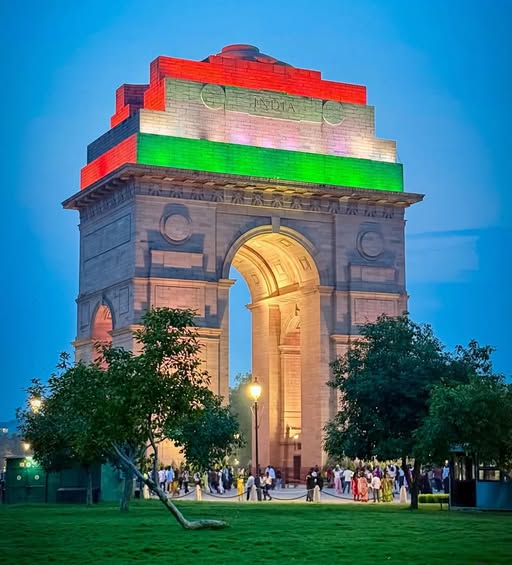
India Gate is a 42-meter-high war memorial located at Rajpath, New Delhi, built to honor the soldiers of the Indian Army who died during World War I and the Third Anglo-Afghan War. Designed by Edwin Lutyens and inaugurated in 1931, it is surrounded by vast lawns and is one of Delhi’s most visited landmarks.
Visiting Details:
- Timings:
- India Gate is open 24 hours a day, 7 days a week.
- Boating 2 PM to 9 PM
- The daily light show 7 PM to 9:30 PM
- |
- Nearest Metro Station:
- Khan Market (Violet Line, ~1.2 km)
- Central Secretariat (Yellow/Violet Line, ~2.3 km)
- |
- Nearest Bus Stand:
- Baroda House
- Akbar Road
- |
- Entry Ticket Price:
Popular Activities at India Gate:
- Evening strolls and picnics: The lawns are ideal for relaxing, meeting friends, or family outings, especially in the early morning or evening.
- Boating: Enjoy paddle boat rides on the pond near India Gate during the designated hours.
- Photography: The monument and surroundings, particularly at night when illuminated, are popular photo spots.
- Light Show: Watch the memorial beautifully lit up every evening.
- Street Food: Sample local snacks and ice cream from vendors nearby—an essential part of the India Gate experience.
- Cultural Events: India Gate sometimes hosts art exhibitions, cultural performances, and national celebrations, most famously the Republic Day parade and light shows.
- Tribute: Pay respects at the Amar Jawan Jyoti flame, dedicated to unknown soldiers.
Red Fort
The Red Fort (Lal Qila) is a UNESCO World Heritage Site and an iconic symbol of Delhi, commissioned by Emperor Shah Jahan in 1639 as the palace fort of his new capital, Shahjahanabad. It features massive red sandstone walls, exquisite marble palaces, gardens, and audience halls, representing a blend of Persian, Islamic, Timurid, and Indian architectural traditions.

Visiting Details for Red Fort
- Timings:
- Open daily except Mondays.
- Visiting hours 9:30 AM to 4:30 PM (entry closes earlier in winter).
- Light and sound shows are held in the evenings.
- |
- Nearest Metro Station:
- Chandni Chowk (Yellow Line), about 1 km from Lahori Gate.
- |
- Nearest Bus Stand:
- Red Fort Bus Stop
- Chandni Chowk Bus Stand
- |
- Main Entrance:
- Lahori Gate (western side, facing Chandni Chowk), the principal public entry point.
- |
- Entry Ticket Price:
- Indian citizens: Rs. 50 (adults)
- Foreign nationals: Rs. 600
- Children below 15 years: Free
- Additional charge for entry to some museums inside (Rs. 30–40).
Activities at Red Fort:
- Explore the palaces and gates: Walk through Diwan-i-Aam (Hall of Public Audience), Diwan-i-Khas (Hall of Private Audience), Rang Mahal, and other noted Mughal palaces and museums.
- Visit the Museums: See exhibits on Indian independence and Mughal heritage.
- Photography: Capture the majestic architecture and gardens.
- Light and Sound Show: Attend the evening show narrating Delhi’s and the Fort’s history (tickets approx. Rs 80–160/person, typically in Hindi & English).
- Cultural events: Major national events, like Independence Day, are celebrated here.
- Relax in the gardens: The vast lawns and gardens offer tranquil space for rest and viewing architecture.
Qutb Minar
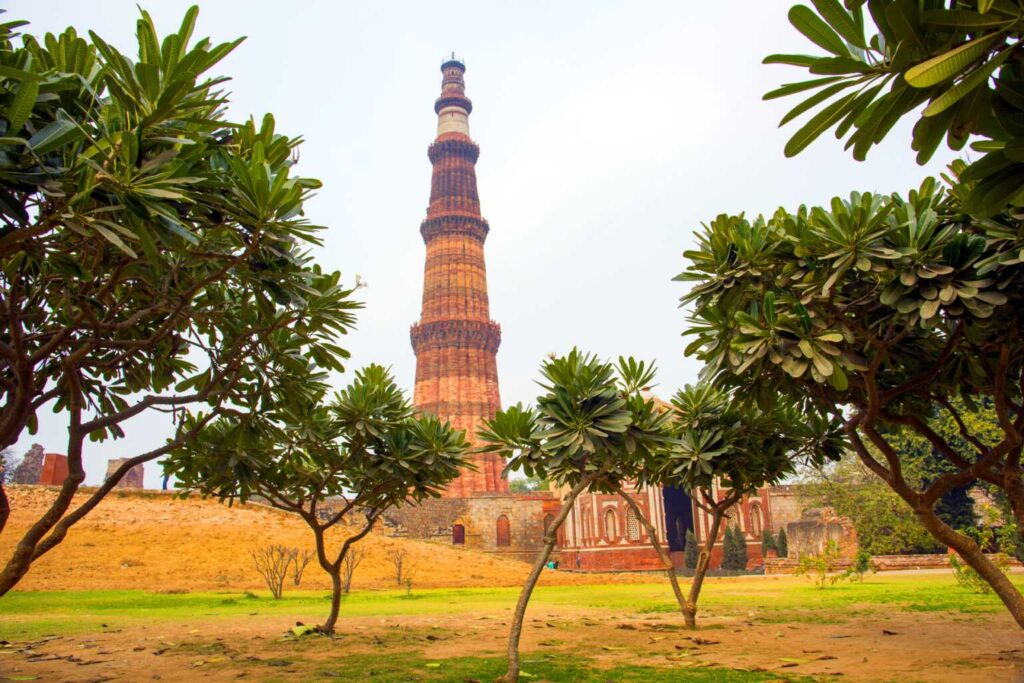
Qutb Minar is an iconic UNESCO World Heritage Site in the Mehrauli area of South Delhi, renowned as the tallest brick minaret in India. Built between 1199 and 1503, the 72.5-meter tall tower was started by Qutub-ud-din Aibak and completed by Iltutmish and later rulers. The monument and its surrounding Qutb Complex—comprising mosques, tombs, gateways, and the renowned Quwwat-ul-Islam Mosque—demonstrate a unique blend of Indo-Islamic architecture.
Visitor Information:
- Timings:
- Open daily from sunrise to sunset
- 7:00 AM–5:00 PM
- |
- Nearest Metro Station:
- Qutub Minar Metro Station (Yellow Line), about 1.5 km from the tower.
- |
- Nearest Bus Stand:
- Qutub Minar Bus Stand
- |
- Entry Ticket Price:
- Indian nationals: Rs. 40
- Foreign nationals: Rs. 600
- Children (up to 15 years): Free
Activities at Qutb Minar:
- Explore the Tower and Complex: View the minaret (entry inside is now restricted for safety), admire intricate inscriptions, and visit structures like Alai Darwaza, Iltutmish’s Tomb, and Alai Minar.
- Heritage Walk: Stroll through the Qutb complex gardens, exploring historic ruins and taking guided or self-guided heritage walks.
- Photography: The architectural grandeur makes it a favorite spot for photography, especially in the golden hours.
- Visit the Iron Pillar: See the 7-meter tall Iron Pillar, renowned for its rust-resistant composition and ancient Brahmi inscription.
- Learn at Museums: Engage with on-site information panels and small museums (occasionally available) detailing local and monument history.
- Relax: Enjoy the landscaped lawns, ideal for picnics or quiet reflection amid the historical setting.
Humayun’s Tomb Museum
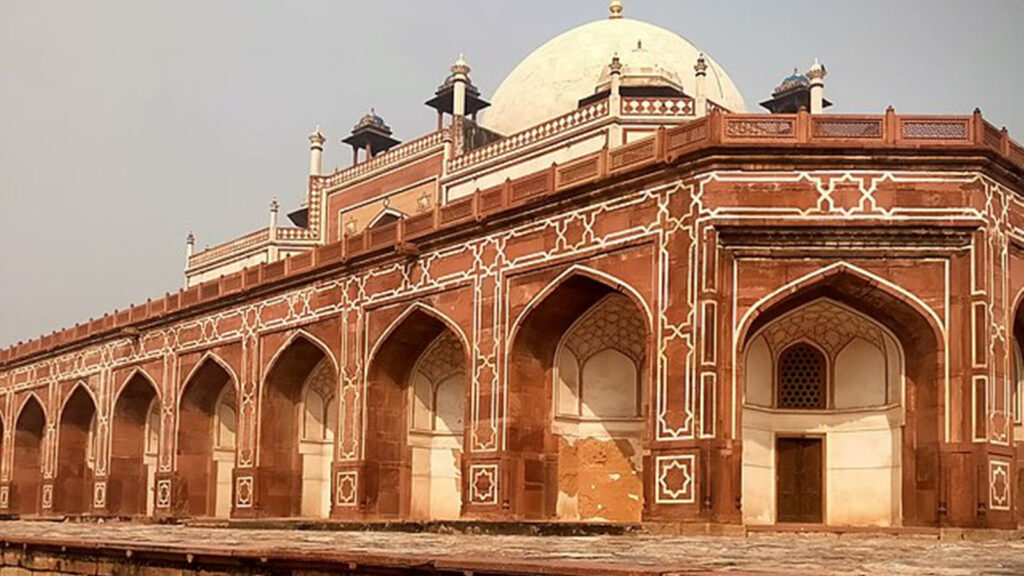
Humayun’s Tomb Museum is a modern museum developed by the Aga Khan Trust for Culture in partnership with the Archaeological Survey of India. It is located at the entrance of the Humayun’s Tomb World Heritage Site in Nizamuddin East, Delhi. The museum offers visitors an immersive journey through seven centuries of history, art, architecture, and Sufi culture associated with the Humayun’s Tomb complex, Nizamuddin Basti, and Sunder Nursery. Notable displays include artefacts, digital galleries, original architectural elements (such as the 18-foot gold finial of the tomb), Mughal miniatures, manuscripts, coins, and interactive virtual tours.
Visitor Information:
- Timings:
- 10:00 AM to 9:00 PM (last entry at 8:00 PM)
- Closed on Mondays and national holidays
- |
- Nearest Metro Station:
- Jawaharlal Nehru Stadium (JLN Stadium, Violet Line), approx. 2 km
- Jangpura (Violet Line)
- |
- Nearest Bus Stand:
- Nizamuddin Bus Stand
- Hazrat Nizamuddin Railway Station Bus Stop
- |
- Entry Ticket Price:
- Indian/SAARC Citizens: Rs 50
- Children (5–12 years): Rs 25
- Other Nationalities: Rs 300
Activities at Humayun’s Tomb Museum:
- Explore digital and physical galleries: View artefacts, digital exhibitions, and reconstructions of lost monuments.
- Virtual tours: Experience the history of Humayun’s Tomb, Sunder Nursery, and Nizamuddin area via immersive 270-degree galleries and virtual reality screens.
- Learn about conservation: Discover the 25-year restoration effort with scientific and ecological preservation displays.
- Heritage walks: Combine your museum visit with a walk through the historic Humayun’s Tomb gardens, Sunder Nursery, and nearby monuments.
- Photography: Both the museum and the World Heritage gardens outside offer excellent photo opportunities of grand Mughal architecture and garden landscapes.
The museum is one of the best places to visit in Delhi before or after touring Humayun’s Tomb complex and nearby heritage sites. Allocate 30–45 minutes for the museum, and consider timing your visit to include the tomb and Sunder Nursery for a complete cultural and historical experience.
Lotus Temple
The Lotus Temple in Delhi is a famous Baháʼí House of Worship known for its distinctive lotus flower-inspired architecture made of white marble. It is a symbol of unity and peace welcoming people of all faiths to pray, meditate, or relax in its tranquil surroundings.

Visitor Information:
- Timings:
- Summer (April to September): 9:00 AM to 7:00 PM
- Winter (October to March): 9:00 AM to 5:30 PM
- Closed on Mondays
- |
- Entry Ticket Price:
- Free for all visitors
- |
- Nearest Metro Station:
- Kalkaji Mandir Metro Station (Violet Line)
- |
- Nearest Bus Stand:
- Kalkaji Bus Stand
Activities at Lotus Temple:
- Visit the Prayer Hall: The central hall, with no idols or sermons, accommodates about 2,500 people and emphasizes silence and spiritual reflection.
- Explore Gardens and Ponds: The temple is surrounded by nine reflecting pools and beautiful landscaped gardens that resemble blooming lotus petals.
- Photography: Capture the iconic architectural beauty of the temple from various angles, especially as it appears to float on water.
- Meditation and Reflection: The serene environment encourages peaceful contemplation for visitors of any faith.
- Learn about Architecture: Appreciate Fariborz Sahba’s visionary design that uses natural light and sustainable energy, including solar power.
For a calm experience, It is one of the best places to visit in Delhi early morning or just before closing hours on weekdays is recommended to avoid crowds often seen on weekends and holidays.
Gurdwara Bangla Sahib
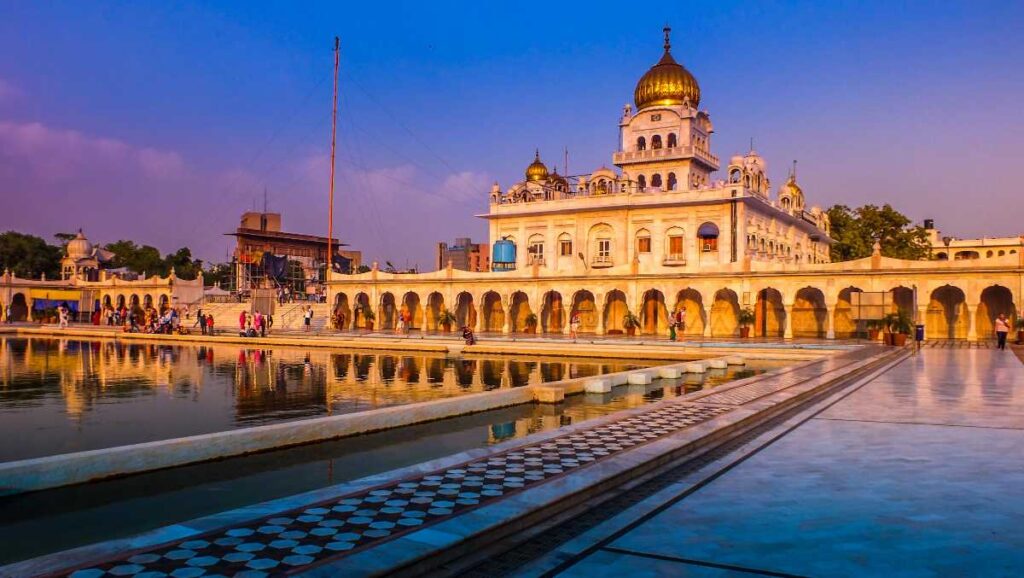
Gurdwara Bangla Sahib in Delhi is one of the most prominent Sikh places of worship, known for its beautiful golden dome, serene atmosphere, and historical significance. It was originally the residence of Raja Jai Singh, known as Bangla, and later became famous as the residence of the eighth Sikh Guru, Guru Har Krishan Ji, who stayed here during a smallpox and cholera epidemic, providing care and aid to the sick.
Visiting Details:
- Timings:
- Open 24 hours, all days of the year
- For a more peaceful experience, early morning visits before sunrise or late evening visits after 9 PM are recommended.
- |
- Entry Fee:
- Free for all visitors.
- |
- Nearest Metro Station:
- Patel Chowk (Yellow Line) about 1.5 km away
- Rajiv Chowk and
- Central Secretariat stations.
- |
- Nearest Bus Stand:
- Gurdwara Bangla Sahib Bus Stop
- Connaught Place Bus Stops
- |
- Dress Code:
- Head covering is mandatory (scarves are available at the entrance)
- visitors must remove shoes and socks before entering.
Activities at Gurdwara Bangla Sahib:
- Darbar Sahib (Main Prayer Hall): Observe or participate in the spiritual kirtan (devotional singing) performed continuously, creating a peaceful and meditative atmosphere.
- Holy Sarovar: The large sacred pond where devotees take ritual dips; the waters are believed to have healing properties.
- Langar (Community Kitchen): Experience the world-famous free meal served to all visitors irrespective of caste, creed, or religion; a core practice of Sikhism promoting equality and community service.
- Baba Baghel Singh Sikh Heritage Multimedia Museum: Learn about Sikh history and culture through exhibits and multimedia presentations within the complex.
- Architecture and Reverence: Admire the stunning white marble and gold-domed structure alongside the beautifully maintained gardens and serene surroundings.
- Volunteerism and Community Service: Witness the spirit of selfless service as volunteers manage various activities, including the Langar and cleanliness drives.
Gurdwara Bangla Sahib offers a unique opportunity to experience Sikh spirituality, community service, and historical richness in the heart of New Delhi. It is one of the most welcoming and Best places to visit in Delhi, open around the clock for devotion, meditation, or simply quiet reflection.
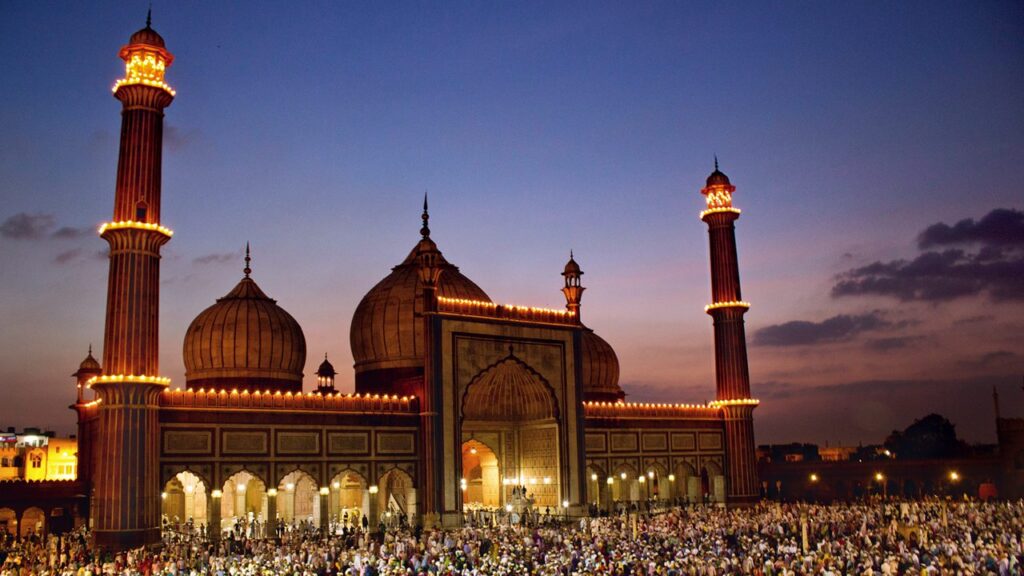
Jama Masjid
Jama Masjid in Delhi is one of the largest and most iconic mosques in India, built by the Mughal emperor Shah Jahan between 1650 and 1656. It is an outstanding example of Indo-Islamic architecture featuring red sandstone and white marble, with three impressive gateways, four minarets, and a spacious courtyard that can accommodate roughly 25,000 worshippers. The mosque was constructed as part of Shah Jahan’s new capital, Shahjahanabad, to serve as a principal congregation mosque.
Visiting Details:
- Timings:
- Open daily
- 7:00 AM to 12:00 PM and 1:30 PM to 6:30 PM.
- |
- Entry Ticket Price:
- for foreigners (usually around Rs. 300),
- Entry is free for Indian nationals.
- Taking photographs may require an additional permit or fee.
- |
- Nearest Metro Station:
- Jama Masjid Metro Station (Violet Line)
- |
- Nearest Bus Stand:
- Kashmere Gate
- Lal Quila bus stops
- |
- Dress Code:
- Modest attire is required.
- Head coverings for women are recommended; scarves are often provided at the entrance.
Activities at Jama Masjid:
- Prayer and Worship: Participate or observe the congregational prayers in the grand mosque.
- Explore Architecture: Admire the intricately carved arches, massive domes, minarets, and marble inlay work reflecting classic Mughal craftsmanship.
- Courtyard Walk: Walk through one of the largest courtyards of any mosque worldwide, absorbing the vastness and serenity.
- Photography: Capture beautiful views of the mosque’s architecture and nearby markets, especially from the mosque’s minarets (accessible via steep stairs for a fee).
- Nearby Exploration: Visit bustling markets and food stalls around the mosque, offering local delicacies and traditional goods.
- Cultural Insight: Gain insight into Mughal-era religious architecture and Delhi’s historical urban fabric.
Jama Masjid remains not only a place of worship but also a vibrant cultural and historical landmark, frequented by tourists and locals alike for its spectacular beauty and profound significance in Indian history that makes him one of the Best places to visit in Delhi.
Akshardham Temple
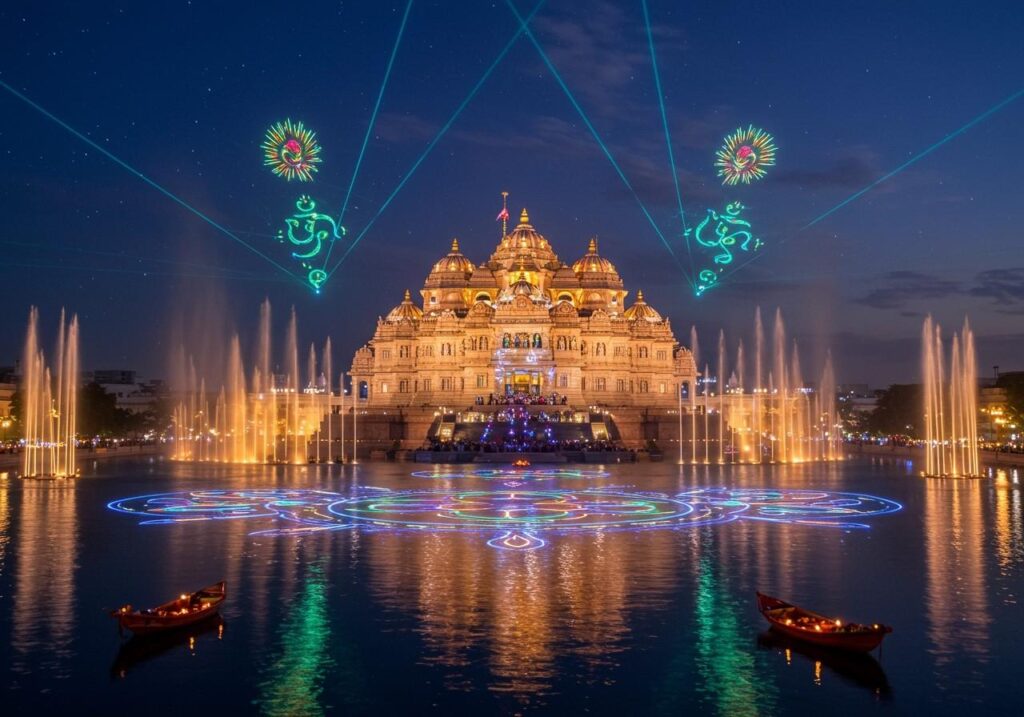
Swaminarayan Akshardham in Delhi is a stunning cultural and spiritual complex renowned for its exquisite architecture, intricate carvings, and rich cultural heritage. Opened to the public on November 6, 2005, it is considered one of the most impressive Hindu temples built in recent times, embodying traditional Indian art, architecture, and spiritual messages.
Visiting Details:
- Timings:
- Open daily
- 9:30 AM to 6:30 PM.
- Daily cultural shows, exhibitions, and a water show in the evenings from 6:00 PM to 7:00 PM
- |
- Nearest Metro Station:
- Akshardham Metro Station (Yellow Line), about 500 meters
- |
- Nearest Bus Stand:
- Akshardham Bus Stand
- |
- Entry Fee:
- There is no entry fee
- Small fee for certain activities like boat rides and the light and sound show.
Activities at Akshardham Temple:
- Temple Visit: Marvel at the grand, intricately carved main temple, dedicated to Bhagwan Swaminarayan and adorned with over 20,000 sculptures depicting Hindu mythology, saints, and deities.
- Cultural Shows: Watch the acclaimed water fountain and light show narrating India’s spiritual and cultural heritage, performed daily in the evening.
- Exhibitions and Museum: Explore the culturally rich and engaging exhibitions that showcase India’s ancient civilization, spiritual traditions, and history.
- Harimandir and Gardens: Relax in the beautifully landscaped gardens, wayfinding through pathways dedicated to India’s spiritual and architectural history.
- Boat Ride: Experience the culturally significant boat ride that narrates the story of Indian tradition, faith, and history.
- Educational Programs: Attend workshops, spiritual discourses, and interactive displays aimed at promoting values like harmony, peace, and unity.
Overall, Akshardham Temple is one of the Best places to visit in Delhi. Also, a harmonious blend of ancient Indian spirituality and modern engineering, offering an enriching experience for visitors interested in culture, architecture, and spirituality.
Lodhi Garden
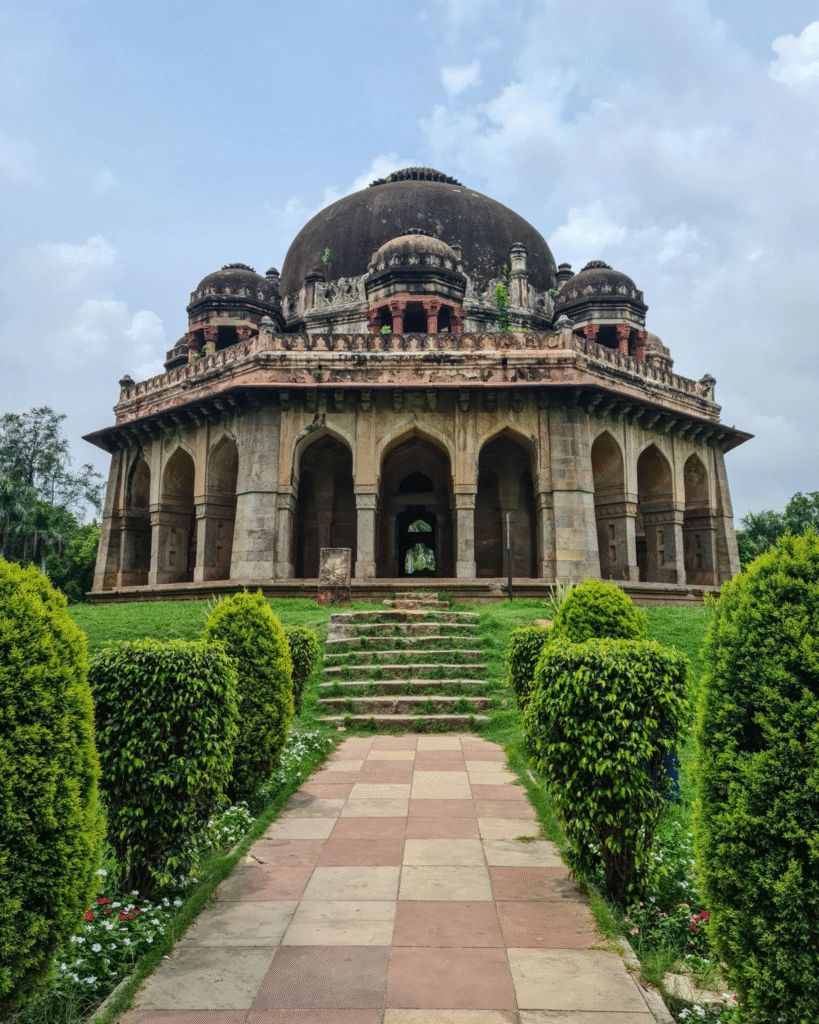
Lodhi Garden, a historic and beautifully landscaped park in the heart of Delhi, spans over 90 acres and serves as a green oasis with a rich heritage dating back to the 15th and 16th centuries. The garden hosts several significant tombs and structures from the Sayyid and Lodi dynasties, showcasing unique Indo-Islamic architecture such as the tombs of Mohammed Shah Sayyid (1444), Sikander Lodi (1517), the Bara Gumbad complex, Sheesh Gumbad, and other monuments surrounded by lush greenery.
Visiting Details:
- Timings:
- Open daily
- 6:00 AM to 7:00 PM
- |
- Entry Ticket Price:
- Free entry for all visitors
- |
- Nearest Metro Station:
- Jor Bagh Metro Station (Yellow Line)
- Khan Market Metro Station (Violet Line)
- |
- Nearest Bus Stand:
- Lodhi Colony Bus Stop
- Jor Bagh Bus Stop
Activities at Lodhi Garden:
- Sightseeing and Photography: Explore and photograph the iconic architectural marvels like the Bara Gumbad, Sheesh Gumbad, and the tombs of historical rulers within beautifully maintained gardens.
- Walking, Jogging, and Relaxing: The park’s wide lawns, paths, and shaded areas make it perfect for morning walks, jogging, yoga, and picnics.
- Bird Watching and Nature: The green space is home to more than 100 species of birds, butterflies, and indigenous plants, ideal for nature enthusiasts.
- Historical Exploration: Learn about Delhi’s Sultanate history and architectural evolution by observing the inscriptions, domes, gates, and ornamental elements.
- Meditation and Events: The garden provides a peaceful environment for quiet reflection, reading, or attending occasional cultural events and yoga sessions.
Lodhi Garden combines history, natural beauty, and recreation, making it a popular escape for both residents and tourists that makes it one of the Best places to visit in Delhi. It is especially lively during cool mornings and weekends and offers a serene contrast to the city’s hustle.
Chandni Chowk
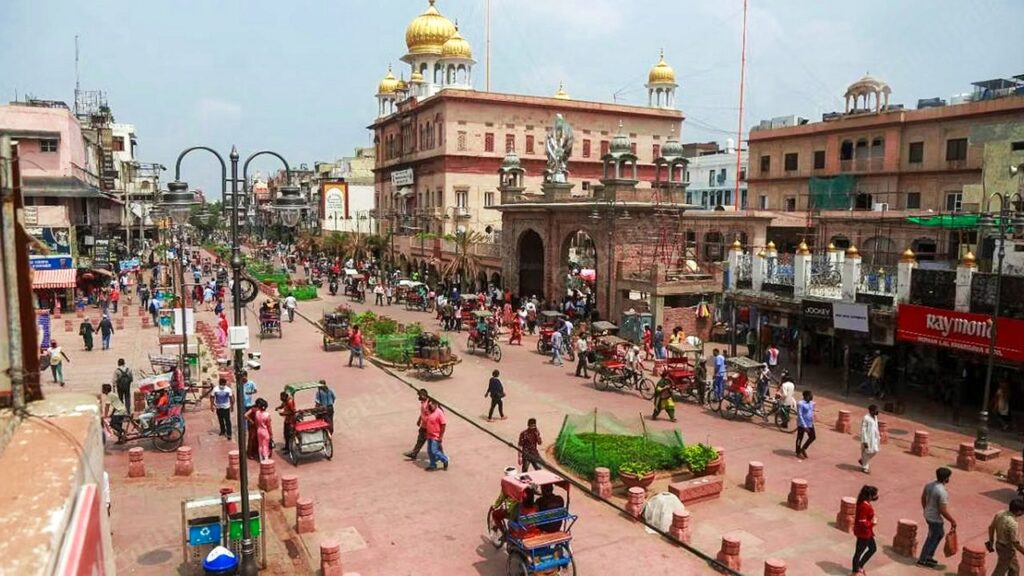
Chandni Chowk is one of the oldest, busiest, and most iconic markets in Old Delhi, established in the 17th century by Mughal Emperor Shah Jahan and designed by his daughter Jahanara Begum. It was named “Chandni Chowk,” meaning “Moonlight Square,” due to a central pool that gleamed in the moonlight. Historically, it served as a grand marketplace and a hub of imperial processions.
Visiting Details:
- Timings:
- The market is open from 10:00 AM to 8:00 PM,
- but timings can vary depending on the shop.
- |
- Nearest Metro Station:
- Chandni Chowk Metro Station (Yellow Line)
- |
- Nearest Bus Stand:
- Chandni Chowk Bus Stop
- Delhi Gate Bus Stop
- |
- Entry Ticket Price:
- No entry fee to visit the market
Activities at Chandni Chowk:
- Shopping: Explore a vast variety of goods including spices, jewelry, textiles, electronics, shoes, and traditional clothing in narrow lanes bustling with vendors.
- Street Food: Sample authentic Delhi street food such as jalebi, samosas, chaat, parathas (notably at Paranthe Wali Gali), and sweets from numerous famous eateries.
- Sightseeing: Visit historical and religious landmarks nearby like the Red Fort, Jama Masjid, Gurdwara Sis Ganj Sahib, Fatehpuri Masjid, and the famous Jain temple Shri Digambar Jain Lal Mandir.
- Heritage Walks: Take guided heritage walks to learn about Chandni Chowk’s history, architecture, and cultural diversity.
- Photography: Capture the chaotic charm, colorful shops, vintage havelis, and vibrant street scenes.
- Cultural Experience: Visit religious sites, witness traditional rituals, and observe the coexistence of multiple faiths in this heritage-rich market zone.
- Roof-top Views: Some shops and eateries offer rooftop access for panoramic views of the bustling market below.
Chandni Chowk offers an unparalleled experience of Old Delhi’s historic and cultural vibes with bustling markets, mouth-watering street food, and fascinating landmarks, making it a must-visit destination for any traveler to Delhi.
Each site reflects Delhi’s rich blend of ancient heritage and modern urban life, making the city a must-visit destination for culture, history, and culinary adventures.




Be First to Comment