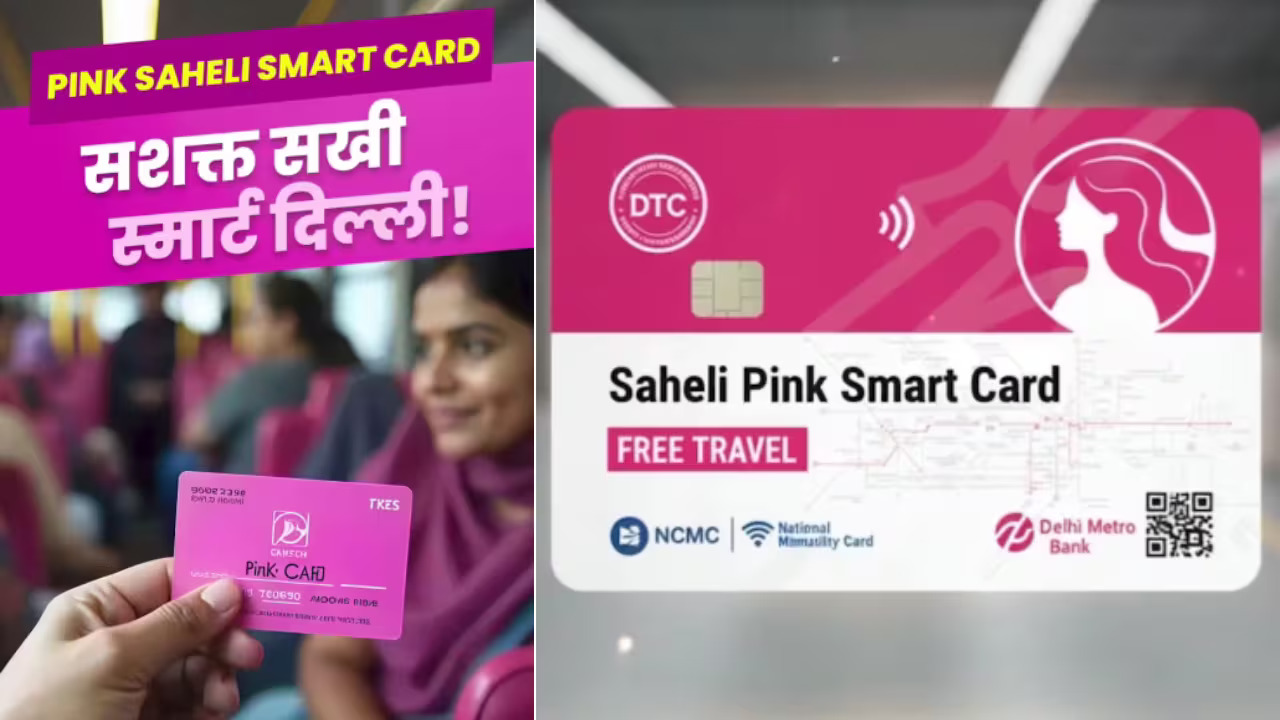
The Delhi government and the Delhi Transport Corporation (DTC) have made the newly introduced Pink Saheli Smart Card mandatory for women and transgender residents to continue availing of free public bus travel, effective August 1, 2026.
This historic policy update shifts the capital’s flagship free-travel initiative—originally introduced in 2019 using single-use paper tickets—into a modern, secure, and touch-free digital transit ecosystem.
Whether you are a student, working professional, or daily commuter in the National Capital Region (NCR), understanding this new framework is critical to avoiding out-of-pocket ticket costs. This comprehensive guide covers the official rules, eligibility criteria, step-by-step registration processes, fees, and long-term benefits of the Pink Saheli Smart Card scheme.
Why Is the Delhi Government Discontinuing Paper Pink Tickets?
Since its launch in late 2019, the free bus travel scheme for women relied heavily on manual operations. Bus conductors handed out physical “pink paper tickets” to every female passenger upon boarding, for which the state government reimbursed the transport corporations.
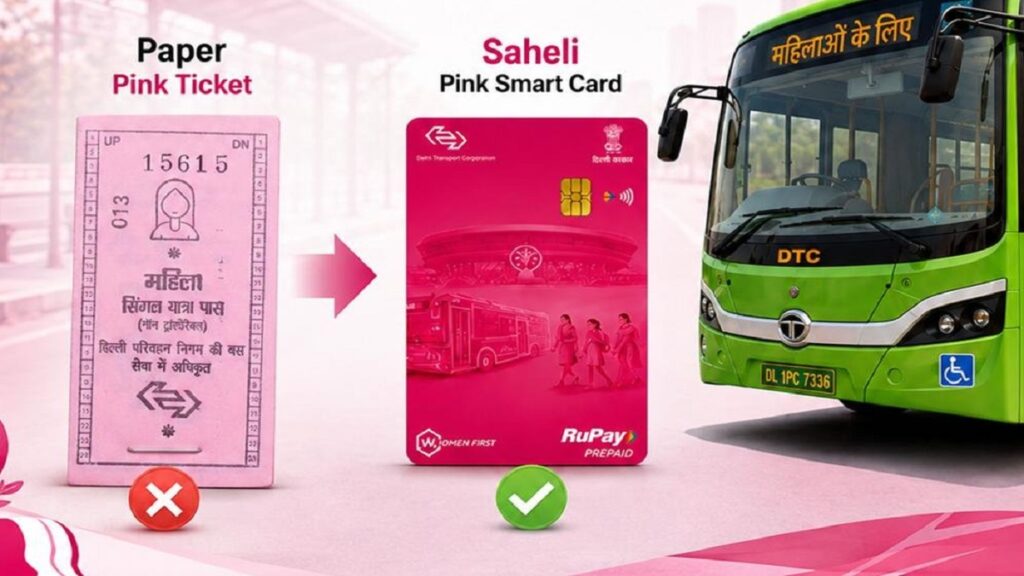
While highly successful, the paper system faced multiple administrative hurdles, leading to the development of the Pink Saheli Smart Card. The primary reasons for the digital transition include:
- Preventing Ticketing Fraud: Minimizes instances of ticket manipulation, duplicates, and unauthorized misuse by third parties.
- Enhanced Transparency: Digital logging provides real-time, tamper-proof tracking of passenger volume and trip data.
- Accurate Data Allocation: Enables the Delhi Transport Department to track exact demand patterns, helping optimize routes, bus frequencies, and fiscal planning.
- Touch-Free Convenience: Eliminates the boarding hassle of waiting for a conductor to hand over a physical ticket during peak transit hours.
Key Benefits of the Pink Saheli Smart Card
The benefits of the Pink Saheli Smart Card go beyond replacing paper tickets; it upgrades the daily commuting experience for millions of citizens.
Lifetime Continuity of Free Travel
The most critical takeaway for commuters is that free travel has not been cancelled. Eligible cardholders will continue to experience completely cost-free commutes across the city’s bus lines indefinitely.
Built on National Common Mobility Card (NCMC) Infrastructure
The Pink Saheli Card is integrated with India’s advanced National Common Mobility Card (NCMC) ecosystem. While the card facilitates free travel on DTC and cluster buses, it is designed for future multi-modal use. Users can eventually add a monetary balance to the card to pay for other public transit networks, including:
- The Delhi Metro network
- The Regional Rapid Transit System (RRTS)
- Authorized parking facilities and toll plazas across India
Integrated Security Features
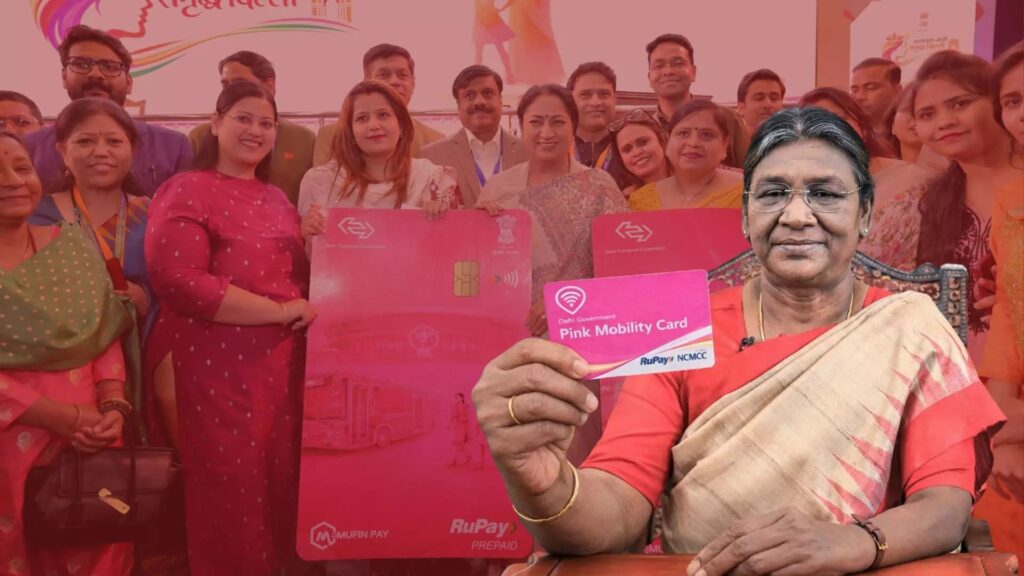
Every card is personalized and contains the passenger’s photo, an Aadhaar-linked profile, and a unique identification QR code. This safeguard helps ensure that if a card is misplaced, it cannot be easily exploited by unauthorized individuals.
Official Government Rules and Guidelines
To ensure compliance and maintain eligibility, cardholders must adhere to specific operational regulations enforced by the DTC and Delhi Transport Department:
| Rule Category | Policy Details |
|---|---|
| Mandatory Deadline | Paper-based pink tickets will be completely phased out on July 31, 2026. Starting August 1, 2026, free travel will only be granted upon tapping a valid Pink Saheli Smart Card. |
| Penalty for Non-Possession | Passengers without a valid smart card after the deadline cannot request a free paper ticket. They must buy a standard fare ticket based on their destination. |
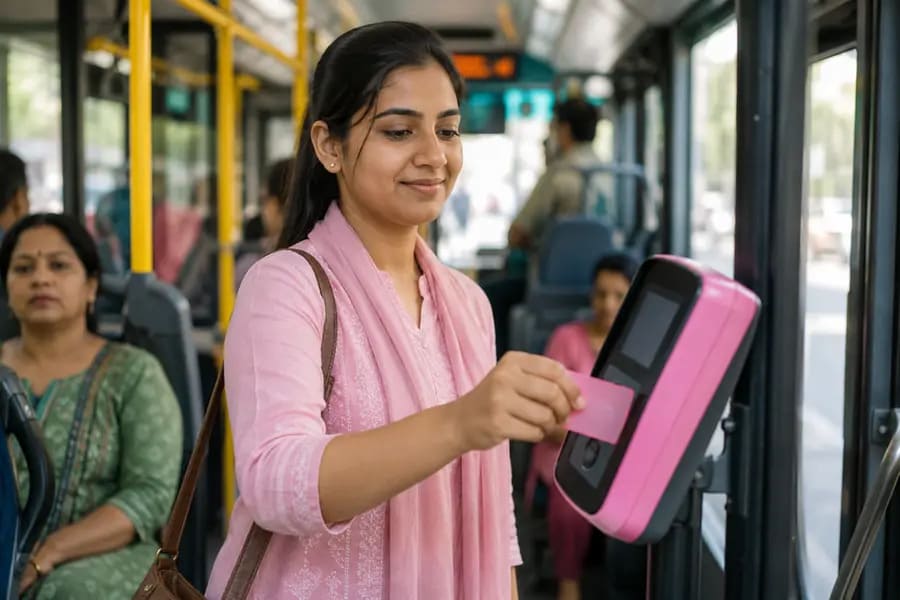
| Mandatory Tapping | Cardholders must tap their Pink Saheli Smart Card against the electronic ticket vending machines (ETMs) or bus validators when boarding the bus. Failing to tap may lead to penalties during checking drives. |
| Non-Transferable Rule | The card is exclusively linked to the identity and biometrics of the primary applicant. Lending your Pink Saheli Card to friends or relatives is strictly illegal. |
Eligibility Criteria
The distribution of the Pink Saheli Smart Card is regulated to ensure the benefit directly serves the intended demographics of the national capital region:
- Gender Identity: The card is issued exclusively to women and transgender residents of Delhi.
- Age Threshold: Girls and individuals aged 12 and above are eligible to apply for their independent smart card.
- Residency Requirements: Applicants must be permanent residents of the National Capital Territory (NCT) of Delhi. This is strictly verified through the applicant’s official records.
Required Documents for Application
When visiting an authorized application point or accessing the digital portal, you must present the following original documents for real-time electronic Know Your Customer (e-KYC) processing:
- Original Aadhaar Card: The Aadhaar card must explicitly display a valid Delhi residential address. Photocopies or printouts without digital cross-verification are not accepted at processing counters.
- Active Aadhaar-Linked Mobile Number: You must bring the mobile phone containing the SIM card linked to your Aadhaar profile. A real-time One-Time Password (OTP) verification is required to complete the setup.
- Passport-Sized Photographs: While many physical centers feature on-spot digital cameras to upload your photo directly to the NCMC profile, carrying two recent physical passport-sized photographs is highly recommended.
Step-by-Step Guide: How to Get Your Pink Saheli Card
The Delhi government has established 50 authorized enrollment centers and specialized camps across strategic geographic locations in the city to minimize waiting periods and prevent overcrowding.
Option A: Applying via Physical Enrollment Counters
You can secure your card by walking into any official processing hub, including all local DTC Bus Depots, District Magistrate (DM) Offices, and Sub-Divisional Magistrate (SDM) Offices from Monday through Saturday, between 9:00 AM and 5:00 PM.
- Locate a Hub: Visit your nearest local DTC depot or SDM neighborhood facility.
- Document Submission: Present your original Aadhaar card to the helpdesk operator.
- Biometric & OTP Verification: The operator will initiate a secure e-KYC request. Enter the secure verification OTP sent to your linked smartphone.
- Photo Capture: Your photo will be logged into the national transit registry database.
- Card Dispensation: The personalized Pink Saheli Smart Card is printed and handed over directly across the counter.
Option B: Smart Token Generation (Fast-Track Method)
To avoid standard physical queues, select major hubs have introduced a hybrid digital token process:
- Scan the Token QR: Scan the official processing QR codes displayed at the center’s gates using your smartphone.
- Fill the Digital Form: Input basic fields—including full legal name, residential address, and unique Aadhaar details—into the secure portal.
- Receive a Digital Token Number: The system will generate a virtual queue number on your phone screen.
- Counter Collection: Present this token code directly to the dedicated quick-distribution window to finalize biometric authentication and collect your card.
Application Fees and Implementation Charges
The issuance of the primary Pink Saheli Smart Card is entirely free of charge for all eligible citizens during the initial rollout and transition campaign. The Delhi government covers the card manufacturing, software profiling, and infrastructure deployment expenses under its welfare budget.
Important Notes on Financial Transactions:
- Zero Registration Fees: No government official, depot conductor, or helpdesk contractor is legally authorized to charge fees for registrations, form filling, or card generation.
- Report Corruption: If an unauthorized agent requests payment to issue your card, report the incident immediately to the DTC Central Grievance Helpline or transport department portals.
- Replacements and Loss: While the first issuance is free, the transport department may apply standard nominal card replacement fees (typically ranging between ₹50 to ₹100) for reprinting a card due to physical damage or loss.
Current Target Status and Future Outlook
According to official statements from Delhi Transport Minister Pankaj Singh, the city’s digital transition is progressing rapidly:
- 15 Lakh+ Cards Distributed: Over 1.5 million women and transgender residents have already secured their smart cards.
- No Expiration on Registration: While paper tickets will not be accepted past July 31, the registration counters will remain open indefinitely. Eligible residents who miss the initial deadline can still apply for and receive their card at any time after August 1.
The Pink Saheli Smart Card system modernizes public transit management in New Delhi, combining technological integration with social welfare to ensure reliable, safe, and accessible commutes for everyone.

Be First to Comment