Delhi is known for its rich array of historic and modern temples that have the ability to provide historical significance along with deeply rooted religious significance. These Famous Temples in Delhi have significant origins related to the Mahabharata period.
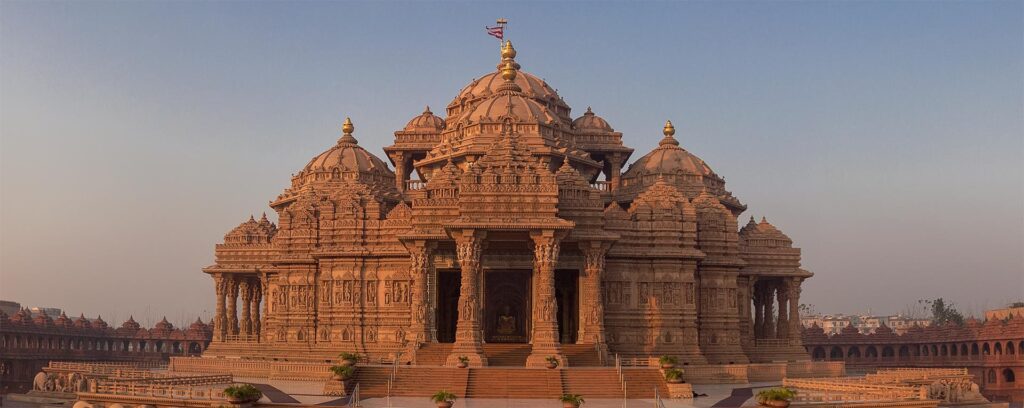
This massive complex on the banks of River Yamuna, dedicated to Swaminarayan Bhagwan and represents Indian cultural heritage through carved images of religious personalities. BAPS has constructed this massive place of worship involving 11,000 craftsmen; it has set a Guinness record for being the “largest Hindu temple in the world.” Spiritually, it fosters worship through displays, fountains, and the idol of gold in its middle portion, representing ‘dharma’ or eternal values.
Akshardham: Famous Temples in Delhi
CDetail
Information
Built / Established
Inaugurated in 2005 as a modern cultural and spiritual complex.
Dedicated to & Religion
Dedicated to Bhagwan Swaminarayan; Hindu (Swaminarayan Sampradaya)
Special Belief / Significance
Seen as a place to experience India’s spiritual and cultural heritage in a single campus; Devotees believe darshan brings peace, family harmony, and protection.
Rules & Dress Code
Strict modest dress: shoulders, chest, upper arms covered and clothing below knees; Sarongs provided if needed. Mobile phones, cameras, large bags, and electronics not allowed inside mandir; Mandatory security check.
Nearest Metro Station
Akshardham (Blue Line)
Location
NH‑24, near Noida Mor, East Delhi.
Visiting Timings*
Tuesday–Sunday, 10:00 am–8:00 pm for darshan; Last entry around 6:30 pm; Closed on Monday.
Lotus Temple
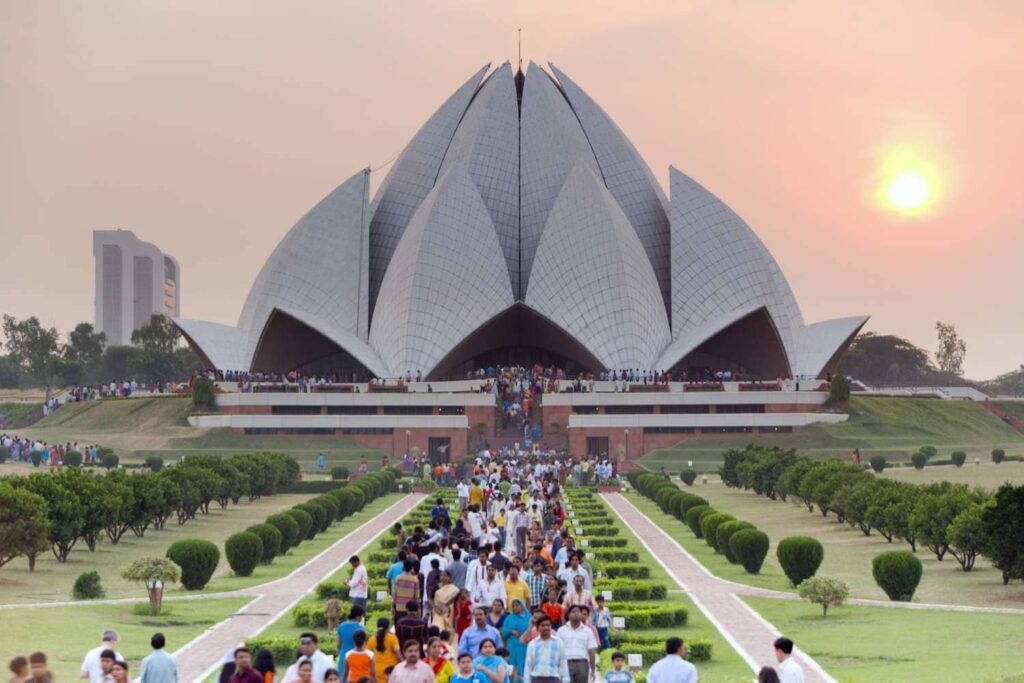
This Bahai House of Worship is modeled on a blooming lotus with 27 white marble petals to hold 2,500 people silently. It symbolizes the architectural significance of the signs of purity in Indian culture and signifies the oneness of all religions without idols. The spiritual significance of this site is to induce meditation and oneness.
Lotus Temple: Famous Temples in Delhi
Detail
Information
Built / Established
Opened to the public in 1986.
Dedicated to & Religion
Bahá’í House of Worship; Open to people of all faiths.
Special Belief / Significance
Symbolizes unity of religions; Silent prayer here is believed to calm the mind and promote universal brotherhood.
Rules & Dress Code
Silence strictly maintained in prayer hall; No rituals or idol worship permitted. Modest clothing (shoulders and knees covered) recommended; Photography restricted inside main hall.
Spread over 70 acres in South Delhi, this complex dedicated to Goddess Katyayani, has 20 shrines designed in North as well as South Indian styles with marble Jaalis. Established by Baba Sant Nagpal, it is India’s second-largest temple complex. Devotees come here looking for blessing of Shakti power, particularly during Navratri celebrations.
Chhatarpur Temple: Famous Temples in Delhi
Detail
Information
Built / Established
Established in 1974 by Baba Sant Nagpal Ji.
Dedicated to & Religion
Dedicated to Goddess Katyayani (form of Durga); Hindu.
Special Belief / Significance
Revered as a powerful Shaktipeeth; Prayers during Navratri are believed to remove obstacles and grant wishes, especially related to marriage, health, and prosperity.
Rules & Dress Code
No formal written dress code but modest, traditional attire recommended; Shoulders and knees covered; Footwear removed before entering shrines.
Nearest Metro Station
Chhatarpur (Yellow Line)
Location
Chhatarpur, Mehrauli–Gurgaon Road, South Delhi.
Visiting Timings*
Open daily; Darshan typically 6:00 am–12:00 pm and 4:00 pm–10:00 pm (campus around 6:00 am–10:00 pm).
KalkajiTemple
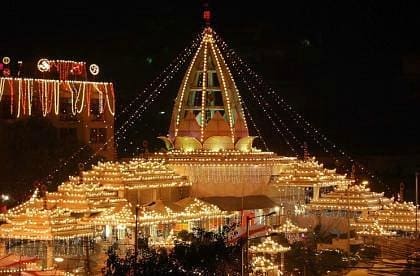
Over 3,000 years old, situated near Lotus Temple, is the shrine dedicated to Goddess Kali (Kalka incarnation) made by Pandavas after Kurukshetra to kill demon Raktabija. Fires glow in its pyramidal spire when it is full of devotees celebrating Navratri. It is considered to be wishes fulfilled (Manokamna Siddha Peetha) and symbolizes defeat
Kalkaji Temple: Famous Temples in Delhi
Detail
Information
Built / Established
Very ancient shrine, mainly 18th–19th century, tradition linking it to Mahabharata era.
Dedicated to & Religion
Dedicated to Maa Kalka (Kali/Durga); Hindu.
Special Belief / Significance
Considered a Siddha Peeth; Devotees believe wishes (mannat) made here, especially during Navratri, are fulfilled and negative energies removed.
Rules & Dress Code
No strict official dress code, but modest clothing advised; Avoid shorts/short skirts and keep shoulders covered; footwear removed before entry.
Nearest Metro Station
Kalkaji Mandir (Violet & Magenta Lines)
Location
Kalkaji, near Nehru Place, South Delhi.
Visiting Timings*
Open daily 4:00 am–11:30 pm with short breaks.
Yogmaya Temple
In Mehrauli, this historic site is devoted to Yogmaya, the sister of Lord Krishna, which was constructed by the Pandavas and later rebuilt by King Hemu when their kingdom was attacked. This monument has witnessed Mughal reigns and has hosted the Phool Walon Ki Sair Festival.
Yogmaya Temple: Famous Temples in Delhi
Detail
Information
Built / Established
Believed to be about 5,000 years old; Rebuilt during early medieval and later periods.
Dedicated to & Religion
Dedicated to Goddess Yogmaya (sister of Lord Krishna); Hindu Shakti Peeth.
Special Belief / Significance
Regarded as one of Delhi’s oldest surviving temples; devotees believe Yogmaya protects Mehrauli and blesses worshippers with spiritual strength and children’s well‑being.
Rules & Dress Code
Simple, modest Indian attire preferred; Footwear removed before entering inner sanctum; No rigid written dress rules.
Nearest Metro Station
Qutub Minar (Yellow Line), Also reachable from Saket or Chhatarpur.
Location
Mehrauli village, near Qutub Minar, South Delhi.
Visiting Timings*
Typically around 4:30 am–8:30 pm; morning & evening aartis near 5:30 am and 8:00 pm.
Hanuman Mandir
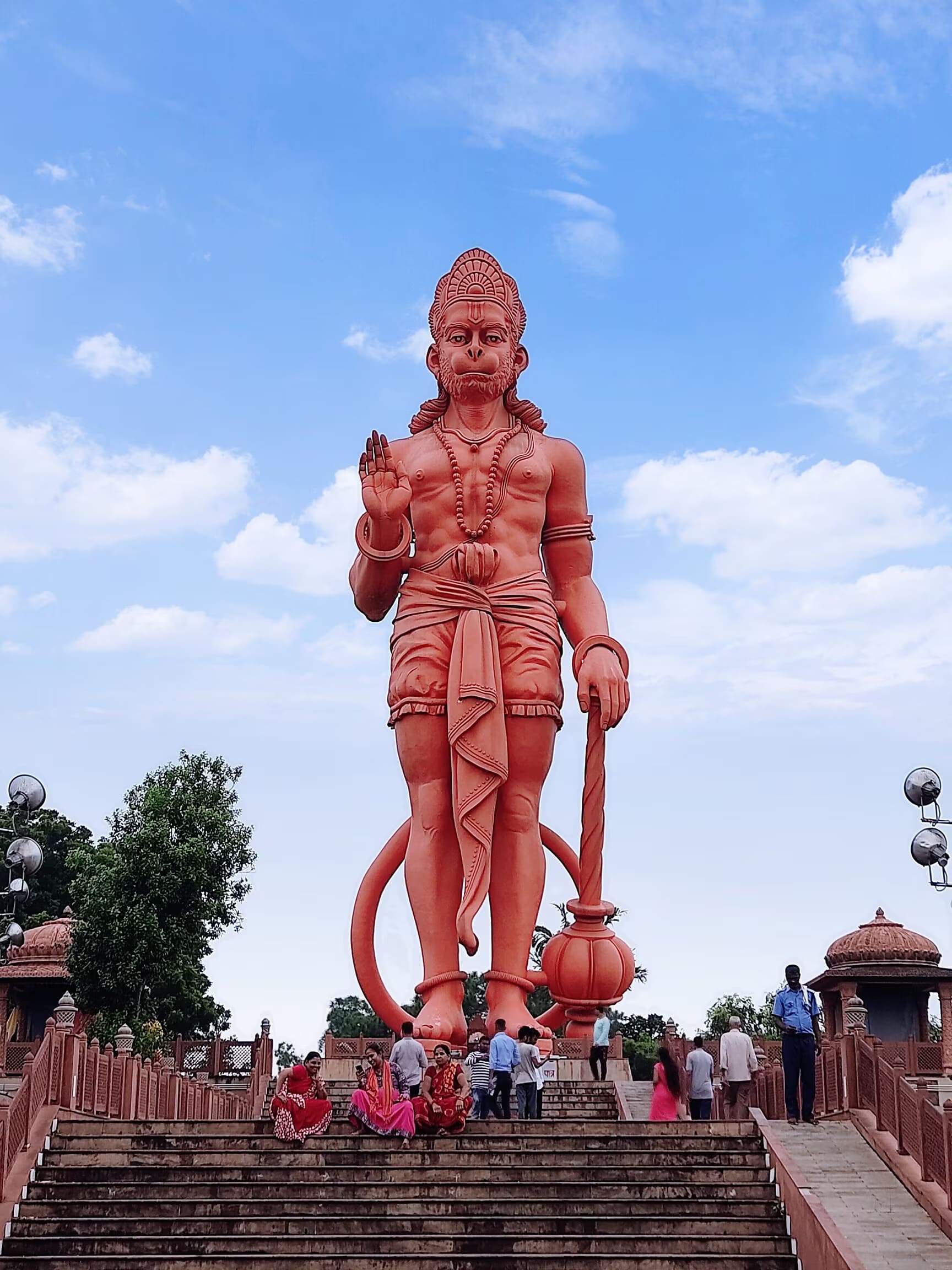
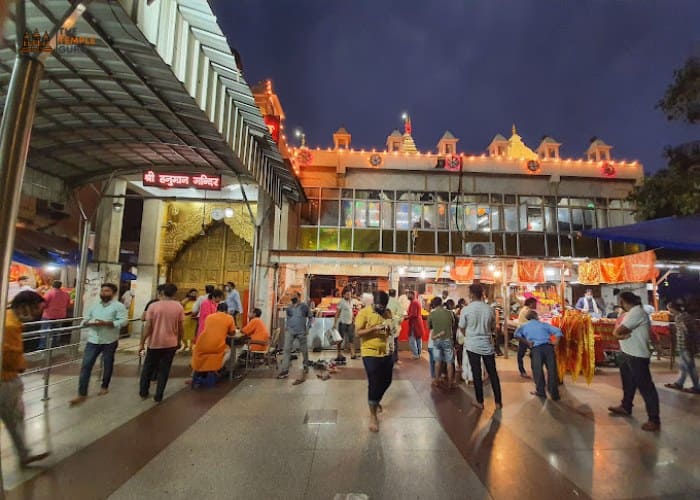
Back to the times of the Mahabharata and restructured by Maharaja Sawai Jai Singh II. This temple boasts a 24×7 Ram Chant, a Guinness record holder. Tuesdays and Saturdays witness an immense turnout for the blessing of strength. Rama murals on the roof add to its devotion to Hanuman, known as Rama’s bhakt.
Hanuman Mandir, CP : Famous Temples in Delhi
Detail
Information
Built / Established
Tradition traces it to Mahabharata period; Present structure rebuilt in 1724 largely from 18th century under Maharaja Jai Singh II.
Dedicated to & Religion
Dedicated to Lord Hanuman; Hindu.
Special Belief / Significance
Known for continuous “Sri Ram Jai Ram” chanting; devotees believe Tuesday and Saturday darshan reduces doshas and grants courage and success.
Rules & Dress Code
Modest, non‑revealing clothing expected; Shoes and often leather items kept outside inner area.
Nearest Metro Station
Rajiv Chowk (Blue & Yellow Lines)
Location
Baba Kharak Singh Marg, Connaught Place, Central Delhi.
Visiting Timings*
Opens very early (around 4–5:00 am) and remains open till late night. On Tuesdays/Saturdays can be open almost all night.
Gauri Shankar Temple
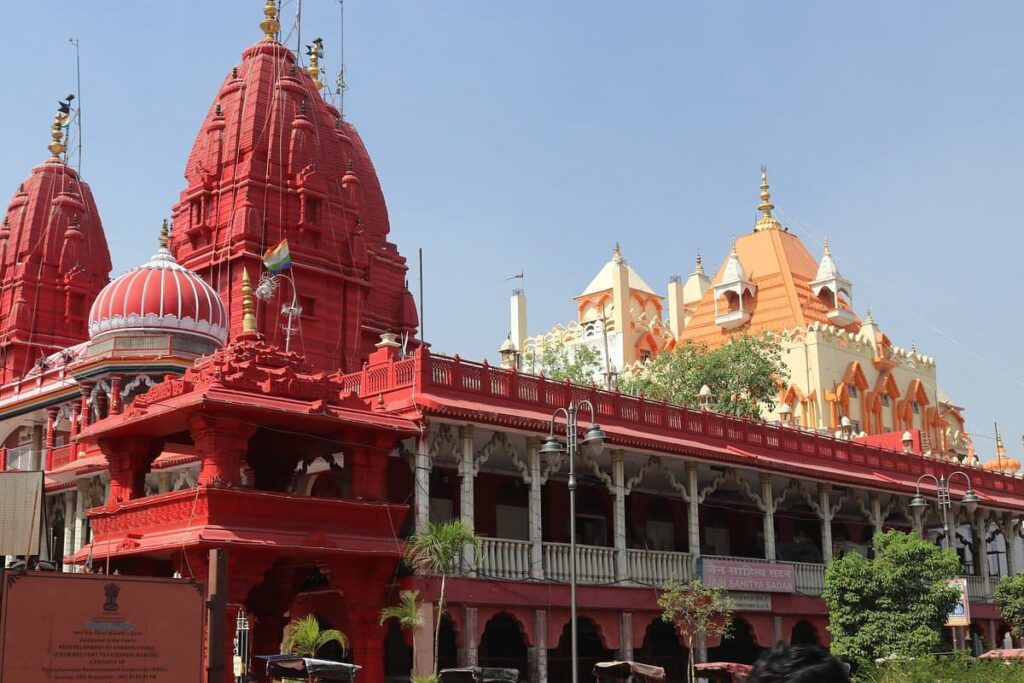
This is close to Chandni Chowk, where there is a Shiva-Parvati temple with an 800-year-old Shivalinga, erected by a soldier named Apa Ganga Dhar, who is the only survivor. There are wall carvings of Ganesha and Kartikeya.
Gauri Shankar Temple: Famous Temples in Delhi
Detail
Information
Built / Established
About 800 years old; Associated with Apa Ganga Dhar, a Maratha soldier.
Dedicated to & Religion
Dedicated to Lord Shiva (Gauri–Shankar); Hindu.
Special Belief / Significance
Enshrines an approximately 800‑year‑old brown lingam encircled by silver snakes; Worship is believed to bring marital harmony and relief from illness.
Rules & Dress Code
Standard Hindu temple etiquette: Modest clothing with shoulders and knees covered; Remove footwear outside; Maintain silence near sanctum.
Nearest Metro Station
Chandni Chowk or Lal Qila (Yellow Line), both within walking distance.
Location
Opposite Digambar Jain Lal Mandir, Chandni Chowk, Old Delhi.
Visiting Timings*
Common darshan hours around 5:30 am–1:00 pm and 4:00 pm–9:00 pm.
Kilkari Bhairav Temple
In the vicinity of Pragati Maidan, near the Purana Qila, after the Pandavas’ (Bheema’s worship) idol, it divides into the milk offering Dudhiya and the liquor offering Kilkari side. Special rituals to please the protective Bhairava, the fierce Shiva, draw tantriks .
Kilkari Temple: Famous Temples in Delhi
Detail
Information
Built / Established
Ancient shrine popularly associated with Pandavas’ time; Structure renovated in later periods.
Dedicated to & Religion
Dedicated to Bhairav, a fierce form of Lord Shiva; Hindu.
Special Belief / Significance
Two main shrines: “Dudhiya Bhairav” (milk offerings) and “Kilkari Bhairav”, where alcohol is traditionally offered; believed to ward off evil spirits and black magic.
Rules & Dress Code
Modest dress expected; Shoes removed before entry; Alcohol offerings handled under temple’s custom; Photography usually discouraged near sanctum.
Nearest Metro Station
Pragati Maidan / Supreme Court (Blue Line)
Location
Near Purana Qila, Pragati Maidan area, Central Delhi.
Visiting Timings*
Typically open from early morning (about 5:00/6:00 am) until around 9:00 pm, with variations on Sundays and festival days.
Laxminarayan Temple (Birla Mandir)
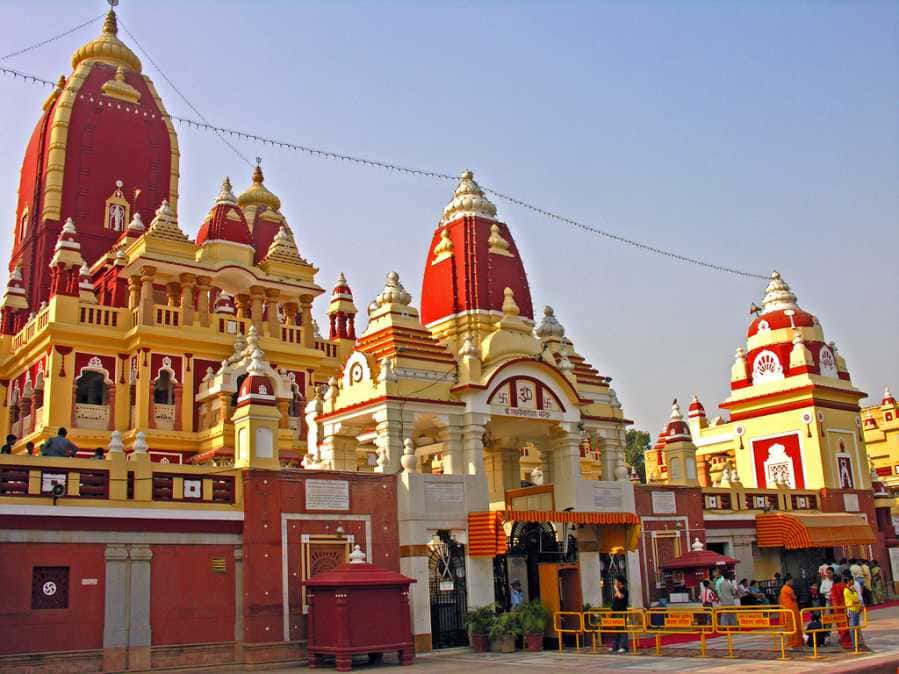
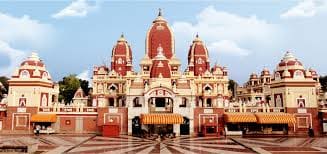
Constructed by the Birla family on 7.5 acres at Connaught Place, it worships Vishnu-Lakshmi along with Ganesha and shrines of Shiva amidst gardens. Modern and majestic, it represents both wealth and dharma. Gandhi came here for prayer before independence.
Birla Mandir: Famous Temples in Delhi
Detail
Information
Built / Established
Completed and inaugurated in 1938 by the Birla family; Opened by Mahatma Gandhi.
Dedicated to & Religion
Dedicated to Lord Narayan (Vishnu) and Goddess Lakshmi; Hindu.
Special Belief / Significance
Considered auspicious for wealth and business; Many perform Satyanarayan katha and weddings here seeking prosperity and family harmony.
Rules & Dress Code
Modest clothing preferred; Footwear not allowed inside; Photography generally restricted in main sanctum areas.
Nearest Metro Station
RK Ashram Marg / Ramakrishna Ashram (Blue Line); also accessible from Shivaji Stadium Airport Metro.
Location
Mandir Marg, near Gole Market, Central Delhi.
Visiting Timings*
Generally open daily around 4:30 am–1:30 pm and 2:30 pm–9:00 pm (varies slightly by day and festival).
Maa Jhandewalan Temple
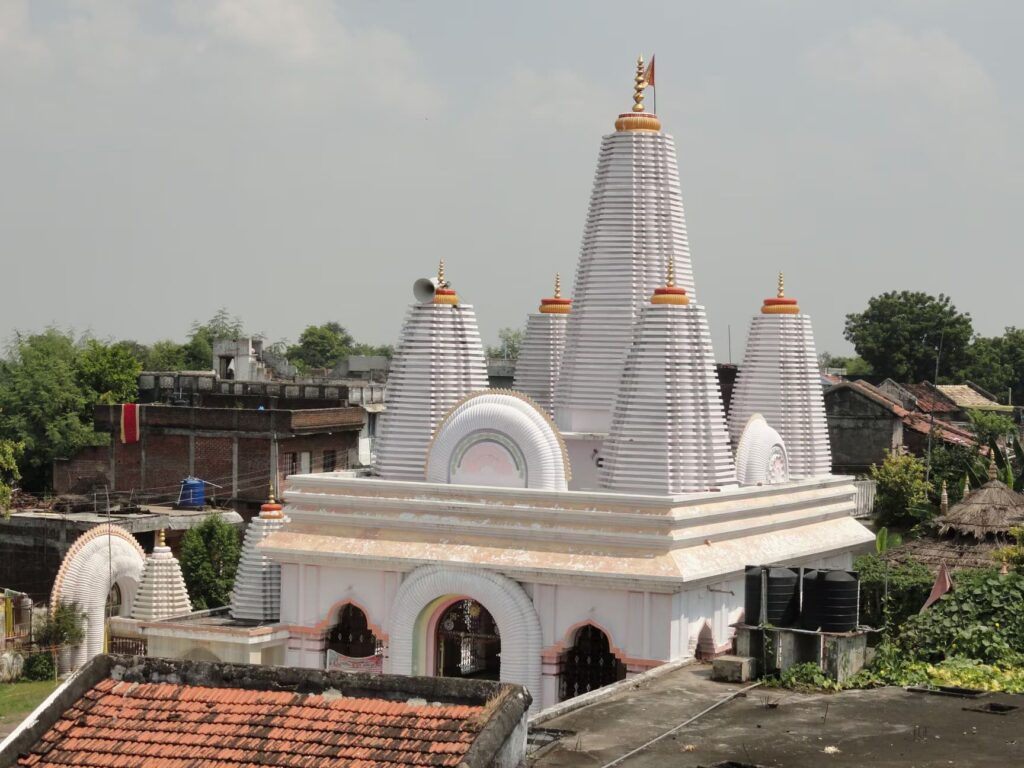
Origin as a Shakti shrine is considered very old; situated in the Karol Bagh area. Dedicated to Maa Jhandewali, Counted among Delhi’s important Shakti Peeth‑like shrines. Famous for its wish-fulfilling powers, Tuesdays are full of devotees.
Maa Jhandewalan : Famous Temples in Delhi
Detail
Information
Built / Established
Some sources mention early temple presence around 7th century, with major renovation and development in 18th–19th century and later.
Dedicated to & Religion
Dedicated to Maa Jhandewali / Maa Aadi Shakti (form of Goddess Durga); Hindu Shakti temple.
Special Belief / Significance
Devotees believe worship during Navratri and on Ashtami/Chaitra days brings fulfilment of wishes, protection from troubles, and blessings for family prosperity.
Rules & Dress Code
No formal written code, but “decent/modest” outfit strongly recommended. Avoid very short, tight, or revealing dresses; Maintain silence and respectful behaviour in garbha‑griha. Footwear must be removed before entry; Photography may be restricted near the main idol.
Nearest Metro Station
Jhandewalan Metro Station on the Blue Line
Location
Jhandewalan, on Jhandewalan Road towards Karol Bagh, Central Delhi, Delhi–110005.
Visiting Timings*
Common darshan hours: roughly 5:00/6:00 am–12:00 pm and 4:00 pm–9:00/10:00 pm depending on season.During Navratri, temple often opens around 4:00 am and can remain open almost all day with very heavy rush.
Famous Temples in Delhi remain a timeless reminder of spirituality, rich heritage, and architectural genius, encouraging devoteees and tourists alike to experience depths of peace amidst the chaos of Delhi. Right from the majestic Akshardham complexes’ contemporary religiosity to the historic Yogmaya’s preservation, these holy places integrate legends from the age of Mahabharata, the Mughal residue, and the current religiosity in a diversity-promoting framework, encouraging beliefs in myths related to wish fulfillment, protection, and unison.
Be it experiencing ‘darshan’ at Kalkaji temples in Navratri or meditative calm at the Lotus Temples, they provide convenient avenues through metro routes Kalkaji Mandir or Chhatarpur, with simple dress requirements emphasizing respectful visitations in all seasons.


Be First to Comment